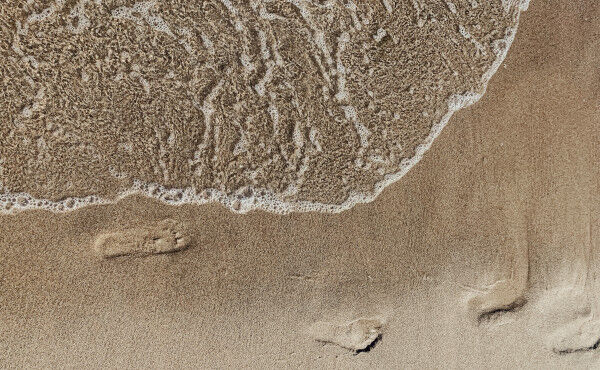
In honour of World Ocean Day, discover why we’re committed to protecting our seas – and how you can play your part in conserving the ocean.
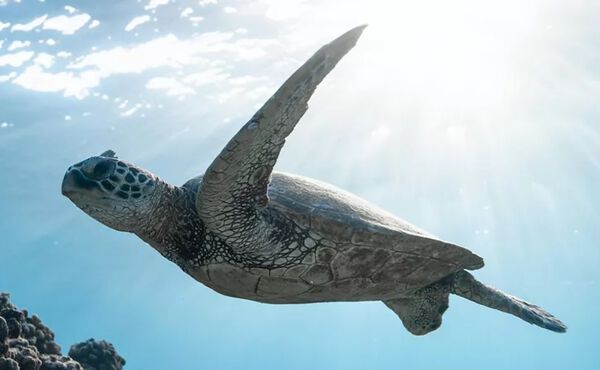
Without the ocean, our planet’s life force, our climate wouldn’t be regulated, food would be scarce, and the livelihoods of billions of people would be lost. Can you believe half of the oxygen on earth comes from the ocean and that it covers around 70% of the planet’s surface? Alongside its functionalities, it’s also a ‘happy place’ for so many of us. The calming sound of the rhythmic waves lapping on the shore, the vastness reminding us that we’re a part of something far greater, it’s why the sea appears on so many soundscapes to help our brains switch into relaxation mode.
Despite all of this, only 8% of the ocean is protected, which means unregulated overfishing has caused 90% of large fish to disappear. Add pollution and climate change and it escalates to an environmental crisis point. That’s why it’s so incredibly important for us here at Rituals to do what we can to protect our seas, and we urge you to do the same.
1. Support us to support them
Firstly, you can find peace in the fact that as part of our 10% Profit Pledge* we support National Graphic Pristine Seas, Blue Marine Foundation and The North Sea Foundation. By donating 10% of our net profit to long-term environmental projects that safeguard the future of our planet you can feel confident that our partners are at the forefront of ocean conservation. With a common goal to protect 30% of the ocean by 2030, our chosen partners are working towards preserving what is left of the ocean, saving marine life and providing jobs for local fishing communities. The North Sea Foundation is also on a mission to clean up the oceans and create a waste-free North Sea via yearly events and activities.
2. Choose sustainable seafood
If you eat fish, know that they’re not all equal, and many fish are now endangered. In fact, the UN has named unsustainable fishing as the greatest driver of marine biodiversity loss in the world. But with over 2 billion people dependent on fish as their primary source of protein, it’s a food supply that can’t be ignored.
The key is to choose wild caught and sustainable seafood that doesn’t leave marine habitats vulnerable. You can also make easy swaps – things like choosing hake instead of cod, or shellfish like mussels which all have low impact fishing methods. Keep your eyes peeled for the blue MSC (Marine Stewardship Council) logo too. Recognised globally it confirms the fish is from a certified fishery and that best practice requirements have been met.
3. Minimise plastic pollution
Stats show that by 2050 there could be more plastic in the sea than fish so it’s time for everyone to step up and do their bit. Always reuse if you can – coffee cups, water bottles, canvas bags - and ensure you choose recycled packaging. Microbeads have been banned in cosmetics, but they can still be found in things like the paint on certain non-stick pots and pans, plastic chopping boards and certain plastic containers, so be wary of what you’re using in the kitchen.
Sometimes there are hidden plastics in sanitary products too, so do your homework and find 100% organic cotton pads or tampons or consider more sustainable options like period pants or a mooncup.
4. Reduce carbon emissions
The hotter our planet gets, the more ice caps in the ocean melt, leaving marine life vulnerable. If water temperatures continue to rise, it will become too warm for coral reefs and this will change the way our oceans work forever. As well as providing a habitat for underwater ecosystems, coral reefs act as a buffer along the shorelines, protecting them from waves, storms and floods. Without them we will become susceptible to more danger and damage.
Try walking or cycling for shorter journeys, fly less frequently if you can, try to shop locally and if you shop online, look for brands that have low carbon emissions or who ship their products between countries. Eating less meat and dairy will also help to reduce your environmental impact as will choosing energy saving lightbulbs, washing your clothes at cooler temperatures and turning down the thermostat.
5. Stay educated
Pristine Seas have created over 30 documentaries and use deep sea cameras, remote underwater videos and photo mosaics to explore and research the ocean floor. Using this footage to then create compelling storytelling, it allows us to better understand how things like overfishing are destroying the sea. Their films also give leverage when it comes to working with governments and policy makers, as they capture the wonders of the seabed alongside with the devastation it faces if changes aren’t made. If you’re curious, take a look here.
Blue Marine also releases a ‘weekly ocean news’ round-up which covers everything from their own findings and projects relating to their marine protected areas, to global initiatives, news and research projects that are ongoing. An incredibly informative read, it’s a great way to remain mindful of the situation.
The bigger picture
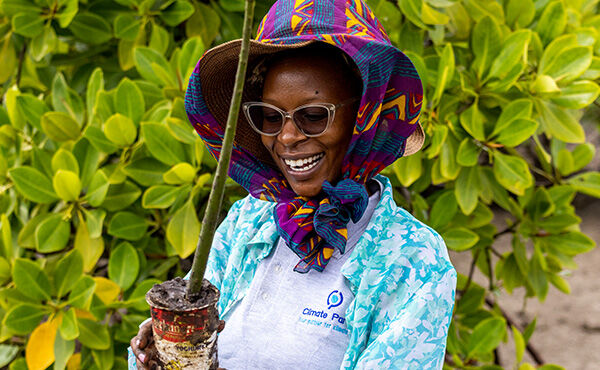
With our partners working to create more marine reserves, safeguard ecosystems and unite with local communities and governments worldwide to protect the ocean, we’re incredibly proud to provide support as part of our Profit Pledge. By collaborating with Pristine Seas, Blue Marine and The North Sea Foundation, as well as doing what you can at home, we hope we can make the 30x30 ambition of these organisations a reality.
*From 2025 onwards, we commit to spend 10% of our net profit of the previous year (e.g. in 2025, we commit to spend 10% of our net profit of 2024).
-
Promotions
Se alle detaljer16,12 € 21,50 € -
Se alle detaljer20,90 €